We Install Slabs & Concrete Footings in the Darling Downs

Building Strong Foundations


Understanding the crucial role of concrete footings and slabs is the first step towards ensuring the longevity and safety of your construction. At Pedro's Concreting, we dedicate ourselves to providing secure and durable concrete slabs and footings, tailored to meet the specific needs of your project in the Darling Downs.


We are committed to customer satisfaction and quality craftsmanship, delivering customised solutions with high-grade materials and impeccable attention to detail. To solidify the foundation of your next project, call us on 0408 707 380.
Enquire Now

Pouring Solid Slabs & Footings


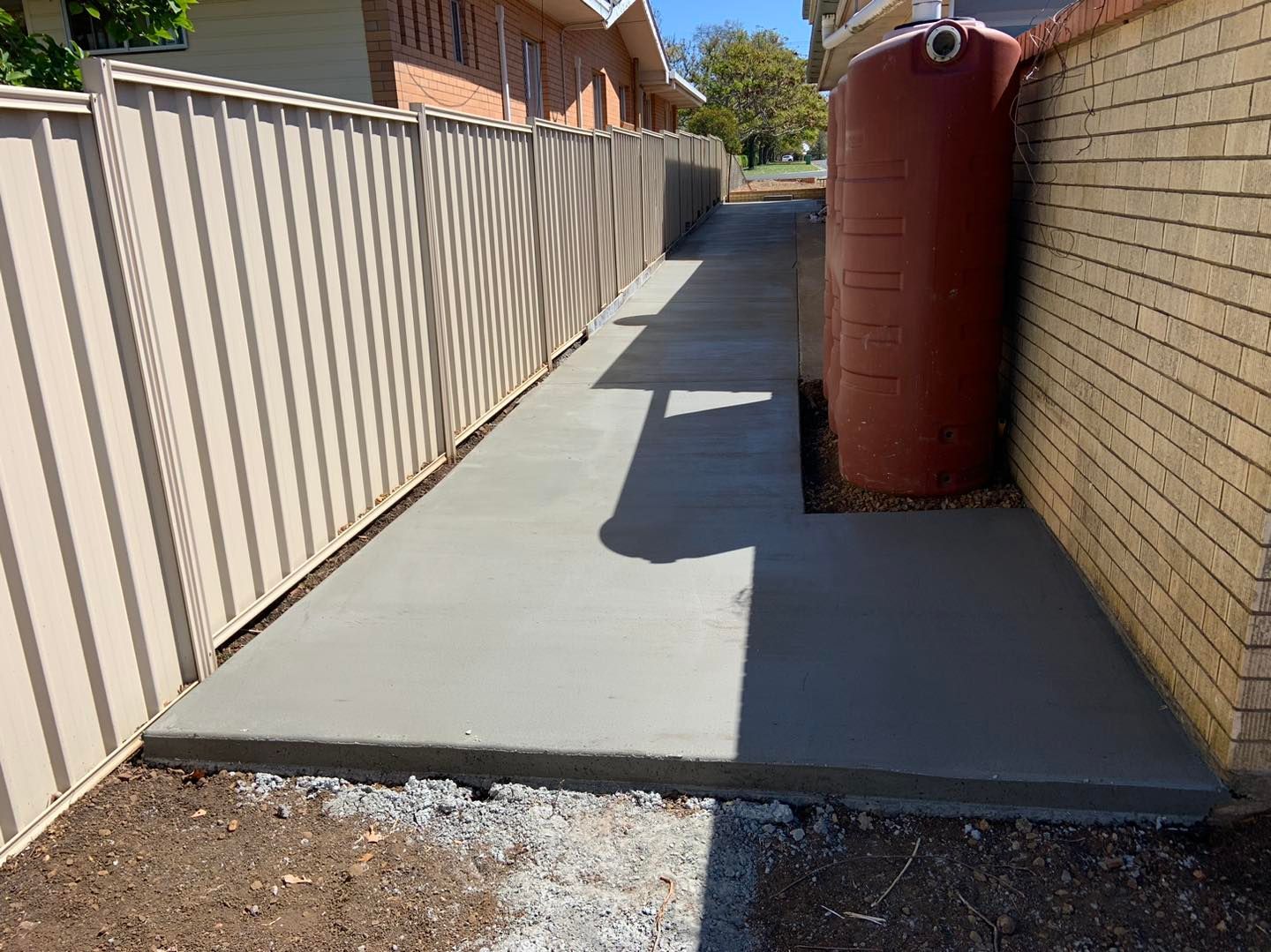
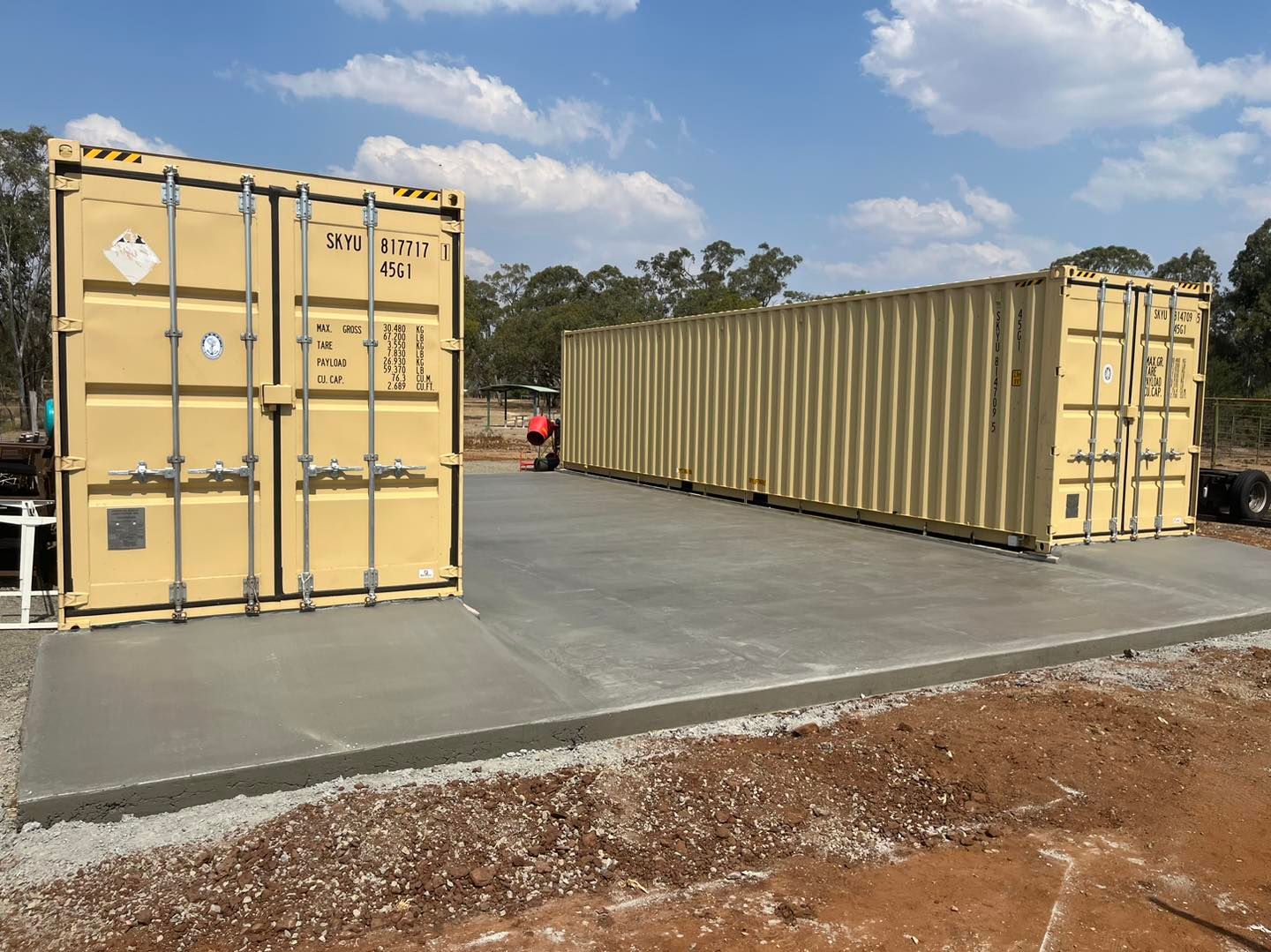
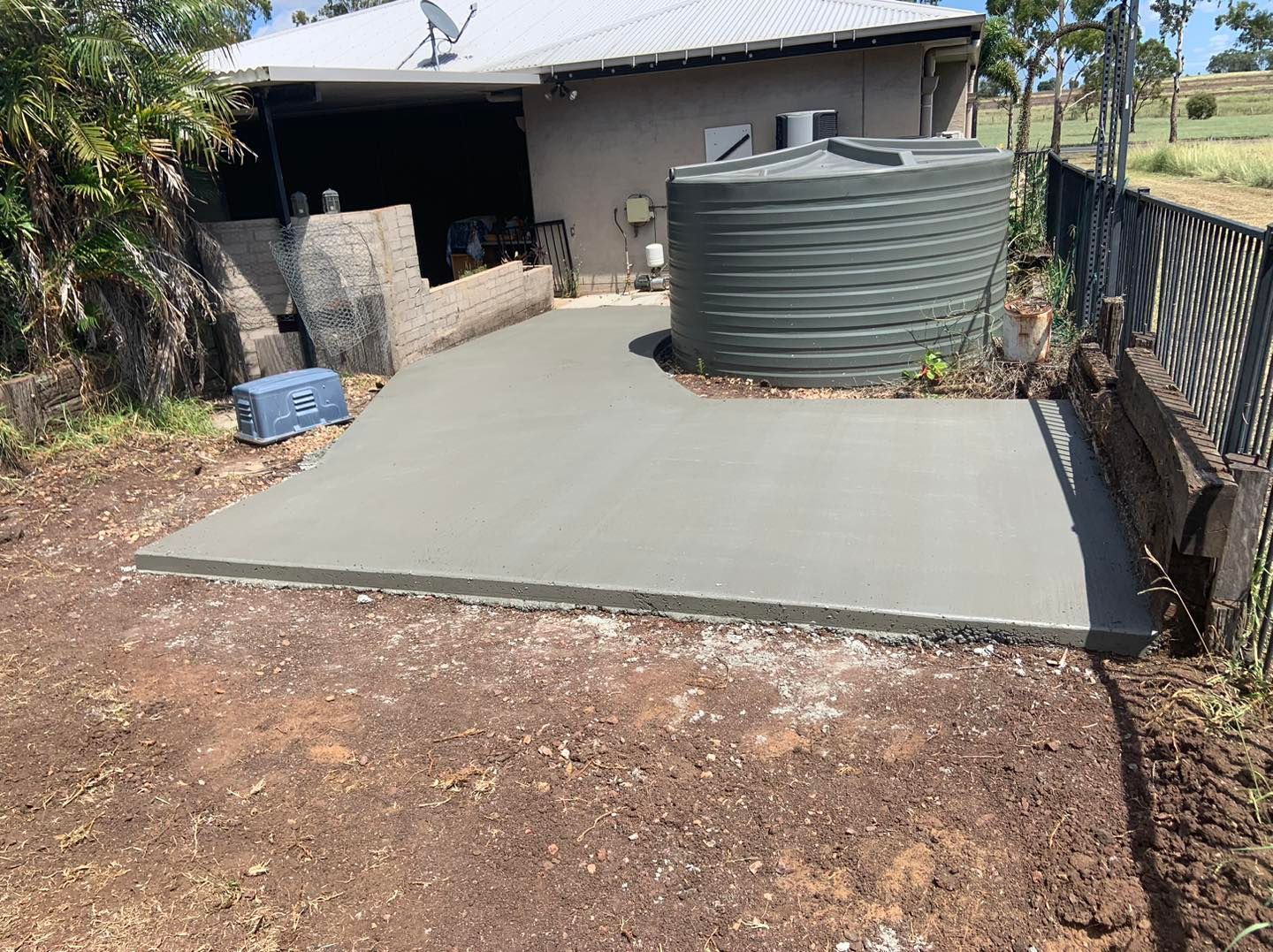
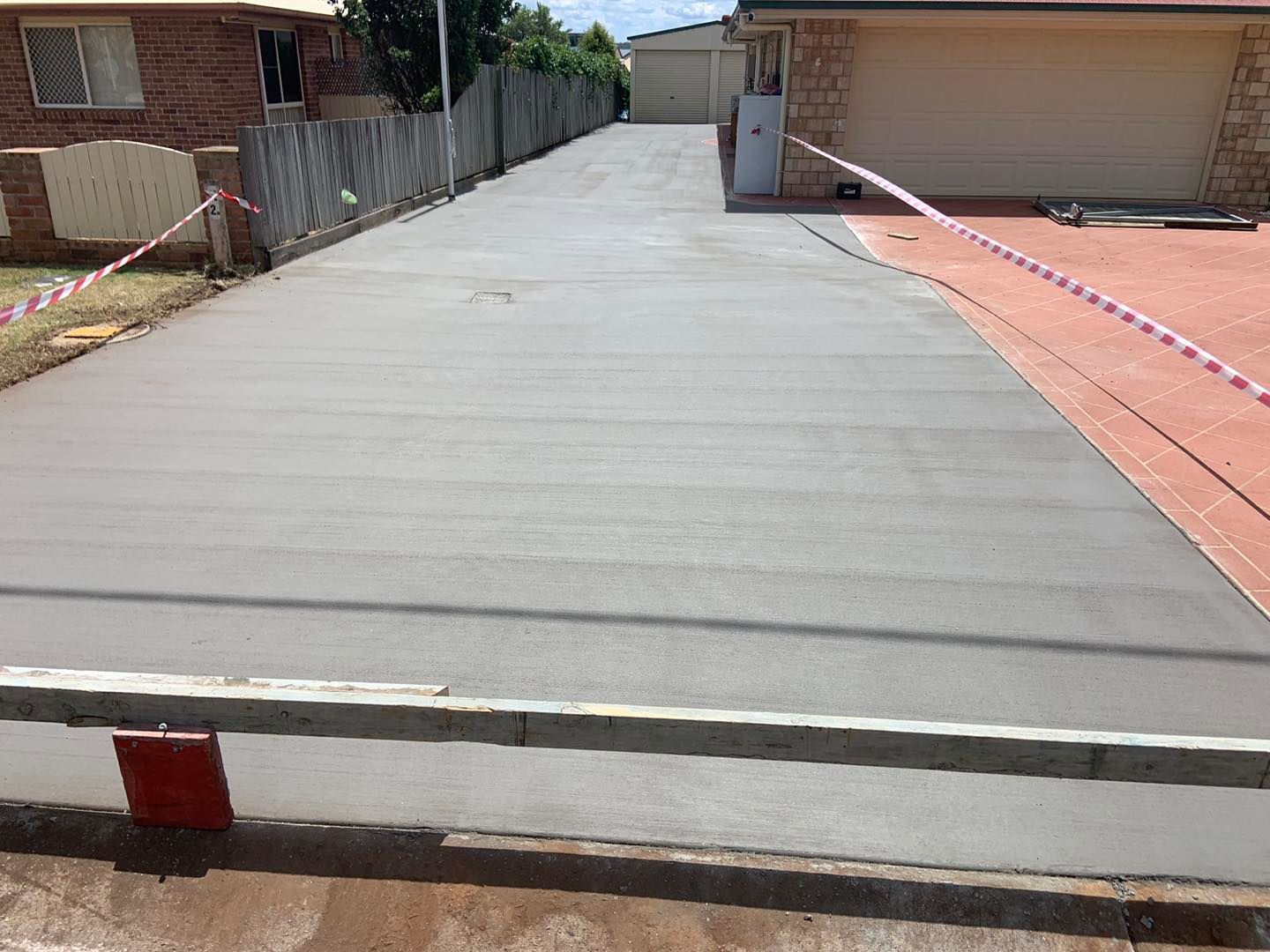
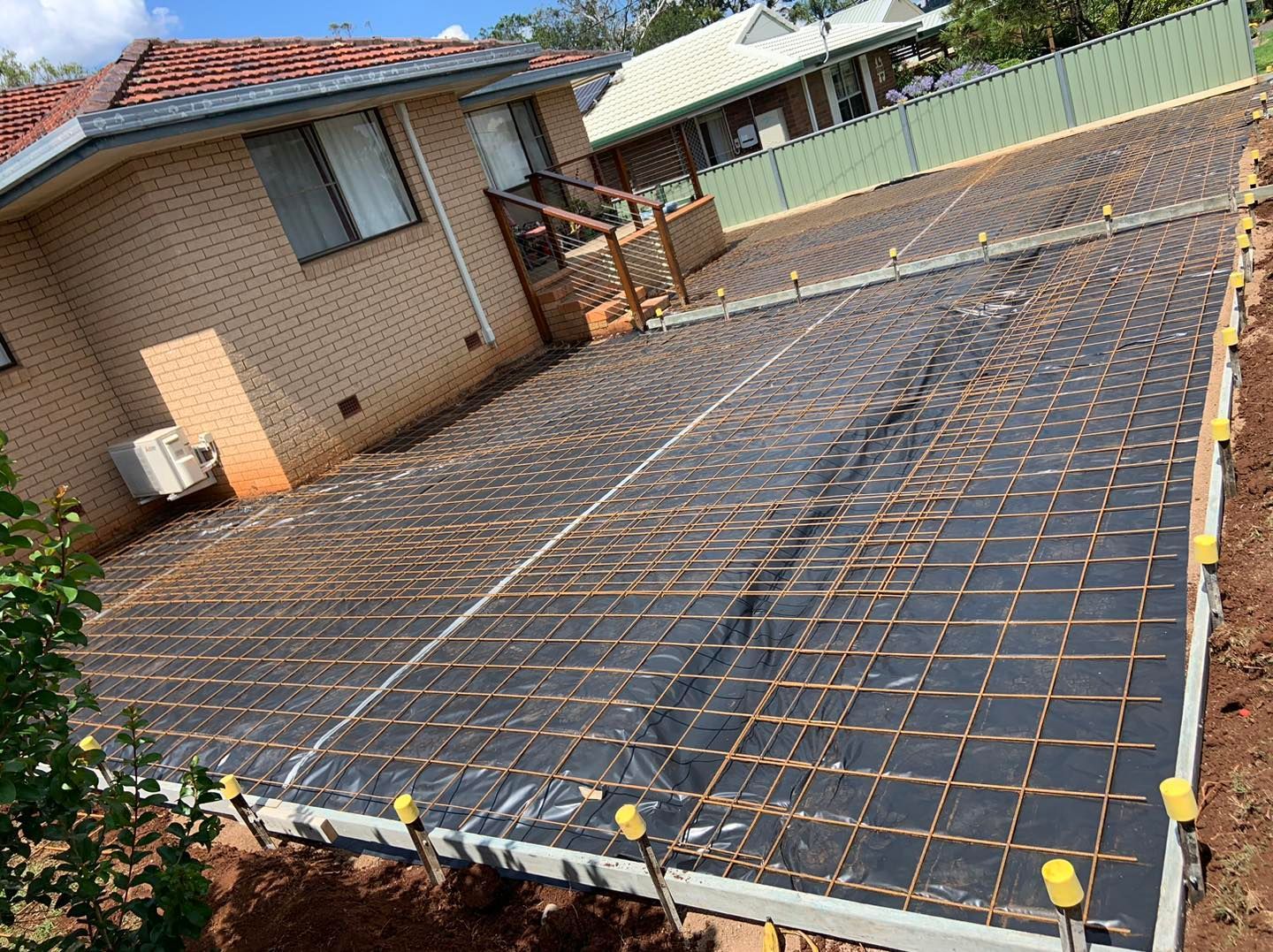
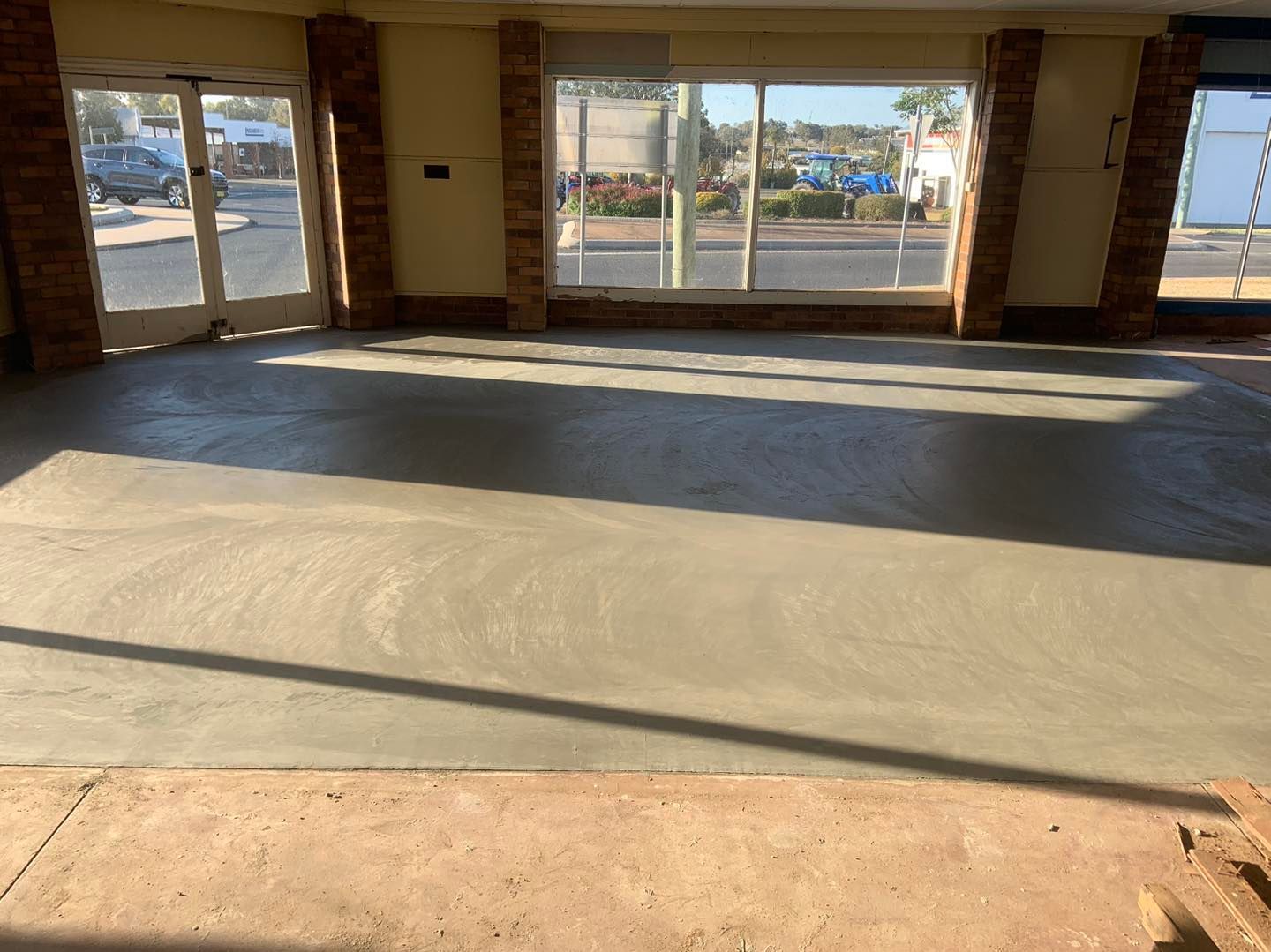
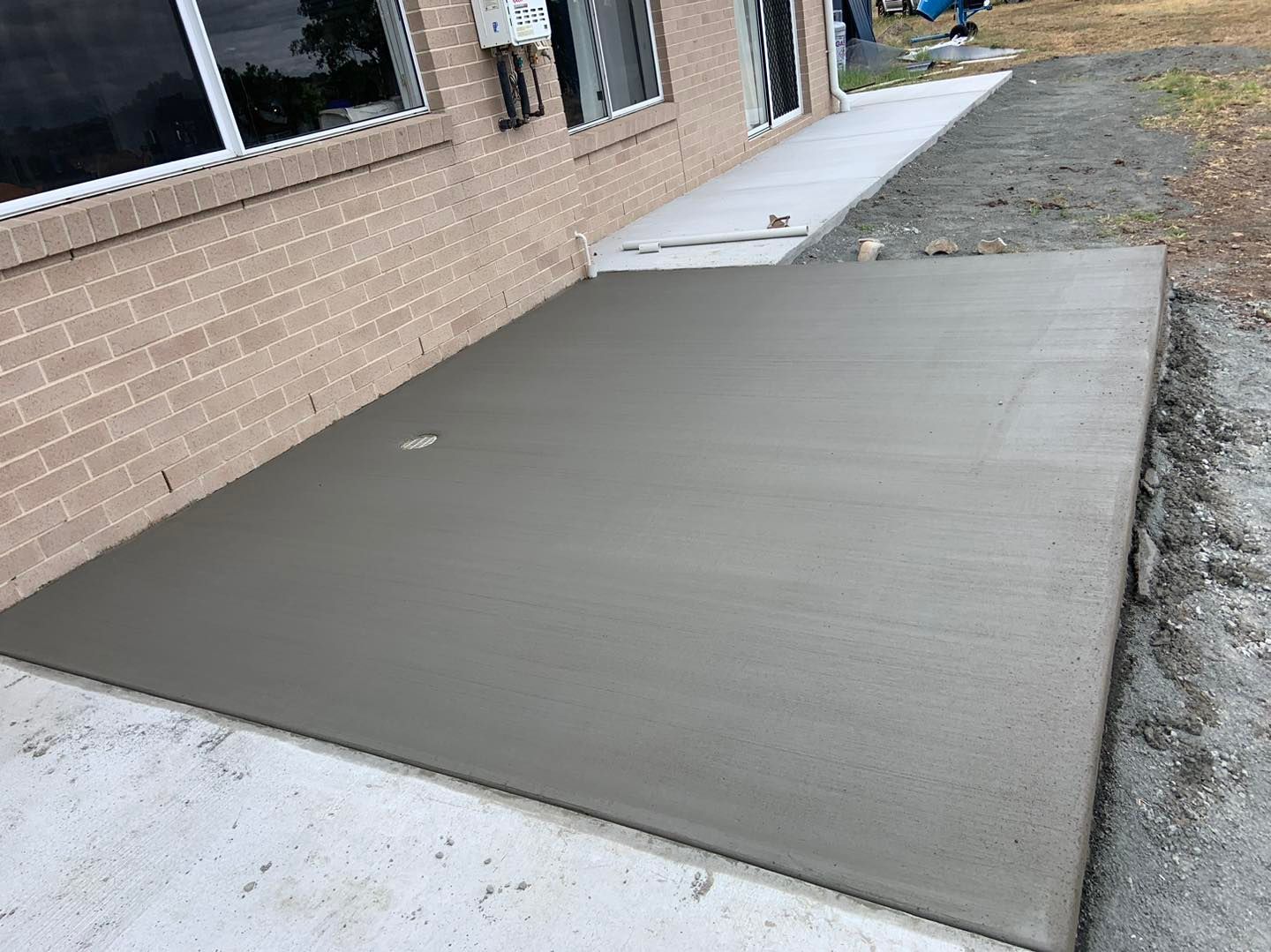
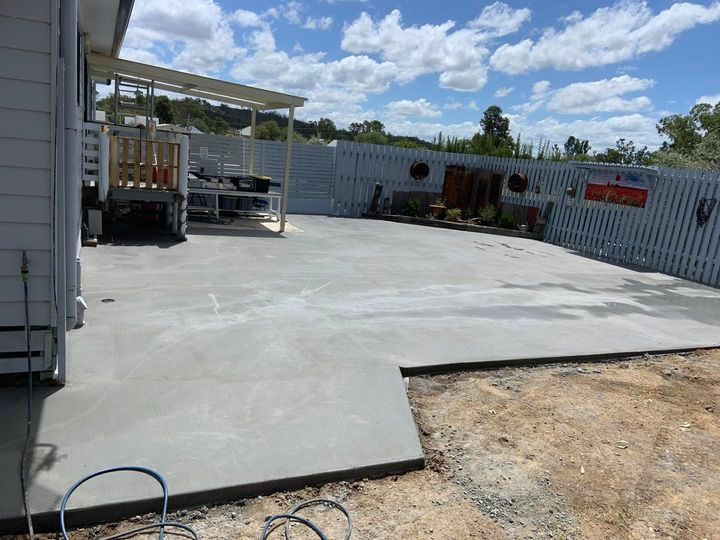
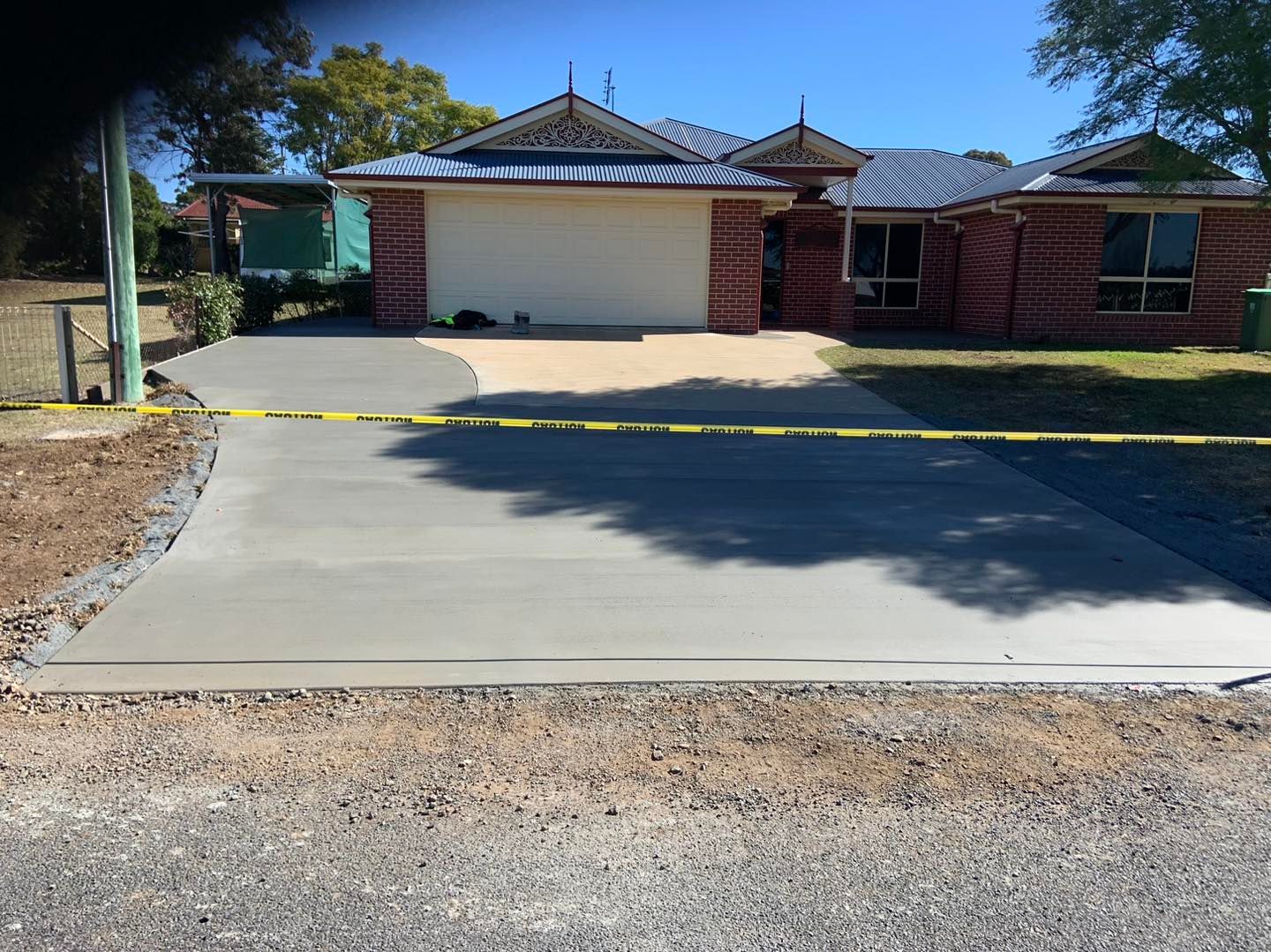
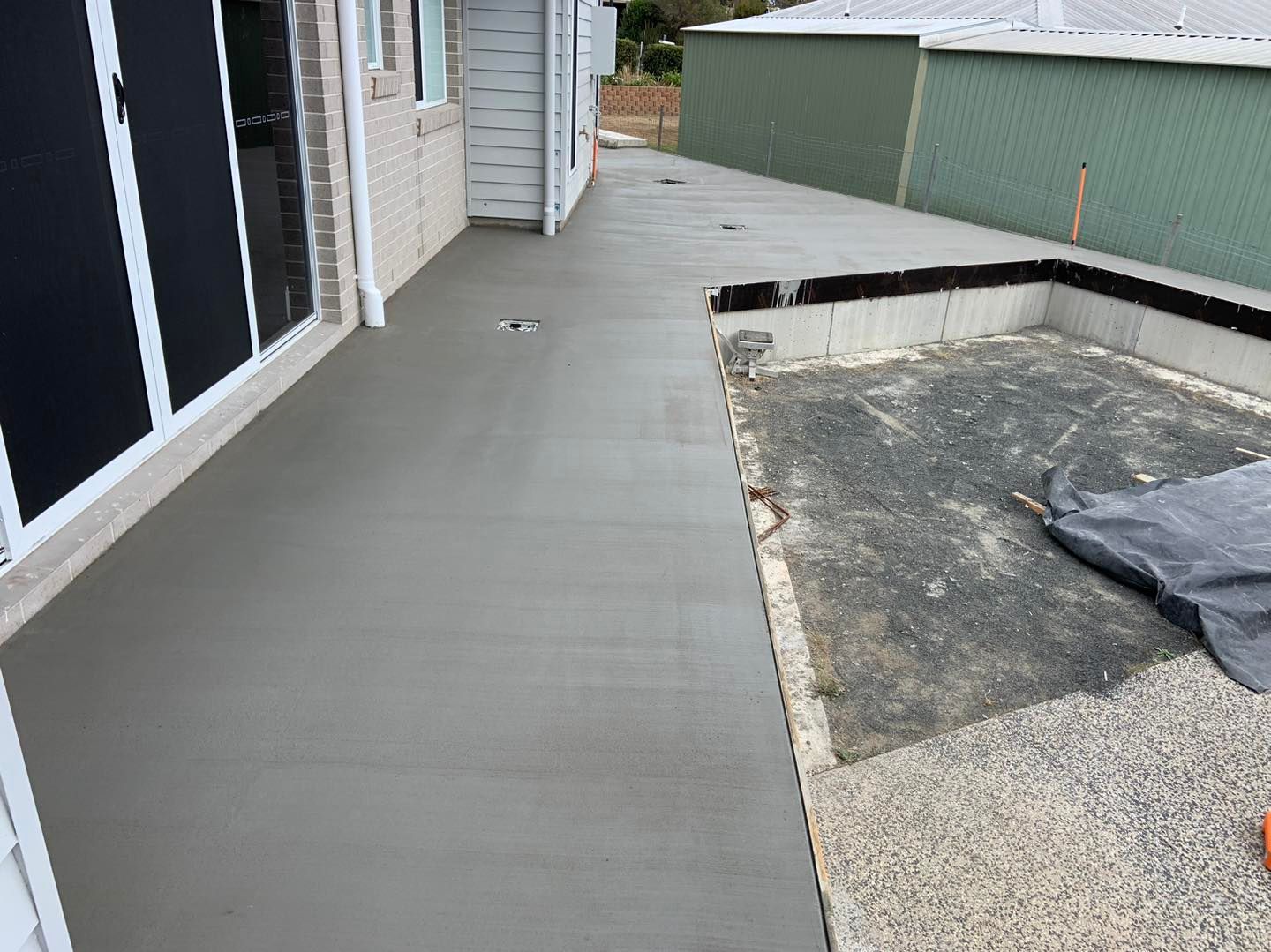
We pour concrete slabs that give you a stable, long-lasting base for everyday use. From shed floors and carports to patios and walkways, our slabs are poured to suit how the space will be used, not just how it looks. Proper ground preparation, accurate levels and clean edges all come standard, helping prevent movement, cracking and drainage issues over time.


We handle each slab with care from set-out to finish. We’ll walk you through access, thickness and surface options so there are no surprises once the concrete’s poured. If you’re planning extensions or future structures, starting with a well-constructed slab makes everything that follows simpler and more cost-effective across your property.
Get in Touch

Frequently Asked Questions


  • How is the right concrete slab thickness determined for different uses?

    Slab thickness depends on load, ground conditions and planned use. A garden shed slab often differs from a slab supporting vehicles or structural framing. Heavier loads need greater depth and stronger reinforcement to reduce cracking and movement.


    Soil type also matters, as reactive clay behaves differently to sandy ground. Local building requirements may set minimum depths for certain uses. Choosing thickness early avoids redesign later and helps coordinate formwork, reinforcement placement and concrete volume.


    Discussing the intended use in detail allows engineers or concreters to specify a slab depth that suits the site and the expected weight over time period.

  • How do reactive soils affect concrete slabs in residential settings?

    Reactive soils can cause slabs to move if preparation is poor. In areas with clay, moisture changes lead to ground expansion and shrinkage through the year. This movement places stress on concrete, increasing the risk of cracking.


    Proper excavation, compaction and base material selection help control these forces. In many cases, reinforcement design is adjusted to suit soil behaviour. Drainage around the slab also plays a role by limiting water retention near edges.


    Understanding local soil conditions before pouring allows slab construction to account for seasonal ground movement and reduce long-term structural issues that affect performance across many residential projects.

  • How long should a concrete slab cure before it’s used or built on?

    Fresh concrete needs time to cure before heavy use or construction begins. Initial setting happens within hours, but strength develops gradually over weeks. Light foot traffic is usually acceptable after a day, while vehicles and framing loads require longer waiting periods.


    Weather influences curing speed, with heat and wind causing faster moisture loss. Controlled curing methods help maintain surface quality during this stage. Rushing the process can weaken the slab and increase surface defects.


    Allowing adequate curing time supports durability and helps the slab perform as intended under ongoing loads. This patience reduces repair risks and improves long term outcomes.

Ask a Question